Comparing Ceramic Backing with Other Welding Protective Gear
Understanding Ceramic Backing in Welding
What is Ceramic Backing?
Ceramic backing, a crucial component in modern welding practices, serves as a protective layer during the welding process. It consists of ceramic materials that are engineered to withstand extreme temperatures and harsh environments. This backing is typically placed behind the weld joint, providing support and stability. The geometry of the ceramic materials enhances the quality of the weld, reducing porosity and improving overall integrity. Welders utilize ceramic backing to ensure that welds maintain their strength and durability, particularly in demanding applications such as aluminum welding. As a result, ceramic backing has emerged as a preferred choice among professionals in the welding industry.
Advantages of Ceramic Backing for Welds
Ceramic backing offers numerous advantages that enhance the quality of welds. First, its high thermal resistance prevents distortion and warping, which can compromise weld integrity. This characteristic is particularly beneficial in processes like TIG and MIG welding, where precision is paramount. Additionally, ceramic materials provide excellent adhesion, allowing for a cleaner, stronger bond between welded metals. The use of ceramic backing minimizes the risk of defects such as undercuts and lack of fusion, ensuring that welds meet stringent industry standards. Moreover, the lightweight nature of ceramics simplifies handling and application, making it easier for welders to achieve optimal results without excessive fatigue.
Applications of Ceramic Backing in Different Welding Processes
Ceramic backing finds applications across various welding processes, including MIG, TIG, and GMAW (Gas Metal Arc Welding). In MIG welding, ceramic materials enhance the overall weld quality by providing a stable environment that minimizes spatter. TIG welding benefits from ceramic backing’s ability to create a smooth, even surface, which is essential for achieving high-quality welds in thin materials. Furthermore, ceramic backing plays a significant role in plasma cutting, where it acts as a heat shield, protecting underlying materials from thermal damage. Industries such as marine and metal fabrication increasingly rely on ceramic backing to improve performance and durability in their welding operations. These diverse applications highlight the versatility and effectiveness of ceramic backing in contemporary welding practices.
Comparative Analysis of Welding Protective Gear
Traditional Protective Gear vs. Ceramic Backing
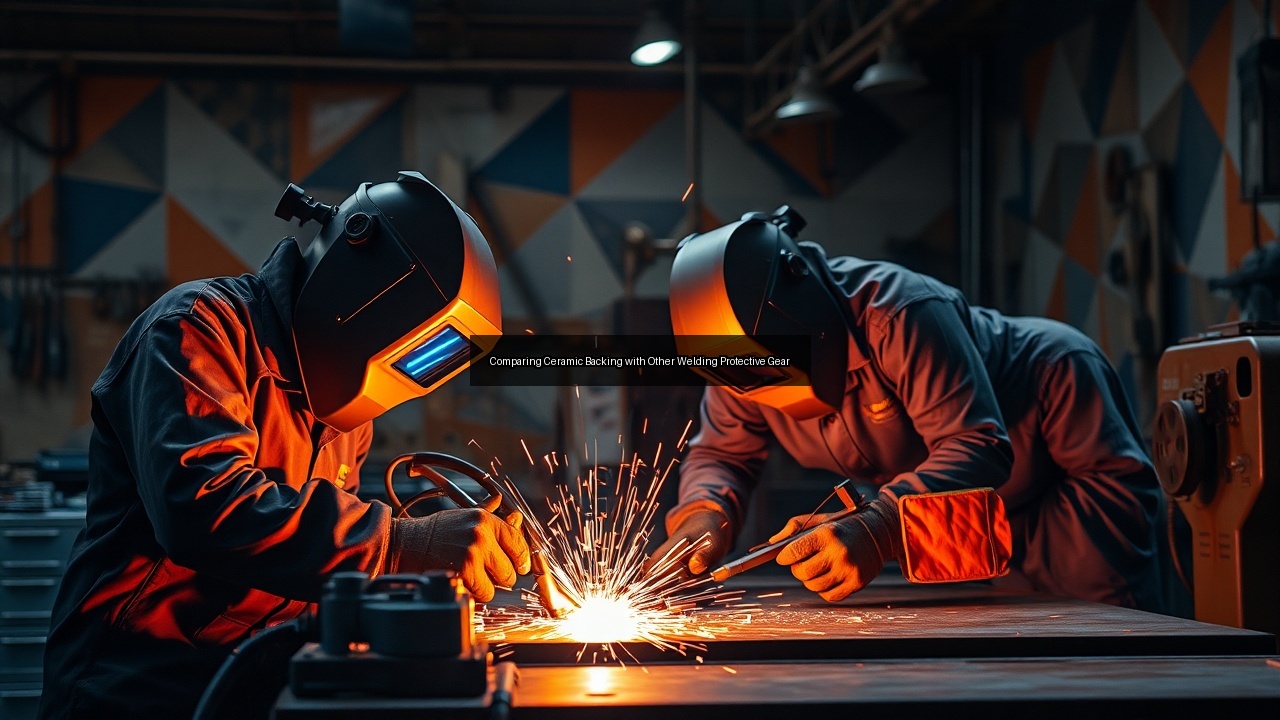
Traditional welding protective gear, such as helmets and gloves, provides essential safety but may not offer the same level of performance as ceramic backing. While standard gear protects welders from sparks and heat, it does little to enhance the quality of the weld itself. In contrast, ceramic backing directly influences the weld's integrity and appearance. It acts as a barrier, preventing contamination and promoting better fusion between the materials. Traditional gear may also be bulky and cumbersome, potentially hindering a welder’s movement. Ceramic backing, being lightweight and designed specifically for welding applications, allows for greater maneuverability and precision. This makes it a valuable addition to any welder’s toolkit, complementing traditional protective gear effectively.
Performance Comparison: Ceramic vs. Other Backing Materials
When comparing ceramic backing to other backing materials, several performance metrics emerge. Ceramic backing excels in heat resistance, maintaining structural integrity under high temperatures that would compromise other materials. For instance, while some backing materials may degrade or warp under intense heat, ceramics remain stable, ensuring consistent weld quality. Additionally, ceramics provide superior adhesion properties, significantly reducing the likelihood of defects in the weld. Other materials may not offer the same level of cleanliness, leading to potential contamination and weakened welds. Moreover, ceramic backings can accommodate various welding techniques, making them versatile for different applications. Overall, this performance comparison clearly demonstrates the advantages of ceramic backing in enhancing weld quality and durability.
Cost-Effectiveness of Ceramic Backing in Welding
Ceramic backing proves to be a cost-effective solution in the welding industry. Although the initial investment in ceramic materials may be higher than traditional backing options, the long-term benefits justify the expense. Improved weld quality leads to fewer rework and repair costs, saving time and resources. Additionally, the durability of ceramic backing reduces the frequency of replacements, contributing to lower operating costs over time. Companies like Gullco International and Voestalpine recognize the economic advantages of incorporating ceramic backing into their welding processes. By investing in high-quality materials, businesses enhance productivity and achieve better outcomes, ultimately improving their bottom line. This cost-effectiveness makes ceramic backing an attractive choice for welders and companies alike.
Industry Applications and Innovations
Ceramic Backing in TIG and MIG Welding
Ceramic backing plays a pivotal role in both TIG and MIG welding. In TIG welding, the need for precision is paramount, as it involves joining thin materials. Ceramic backing provides a stable, heat-resistant platform that helps maintain the shape and integrity of the weld pool. This stability leads to cleaner, more aesthetically pleasing welds, which is critical in industries such as automotive and aerospace. In MIG welding, ceramic backing minimizes spatter and improves arc stability, resulting in a more efficient welding process. The protective qualities of ceramic materials prevent oxidation and contamination, further enhancing the quality of the weld. As welding technologies evolve, the integration of ceramic backing remains essential for achieving superior results in these processes.
Automation and the Role of Ceramic Materials
Automation in welding continues to advance, and ceramic materials are integral to this evolution. Automated welding systems benefit from the stability and reliability that ceramic backing provides. The consistency of welds produced in automated processes reduces the risk of defects, ensuring high-quality output. Automation allows for greater efficiency, and ceramic backing supports this by maintaining optimal conditions for the weld. Companies investing in automated systems find that incorporating ceramic backing materials enhances both performance and productivity. As the industry moves toward more automated solutions, the role of ceramics in welding will likely expand, driving innovation and improving overall welding outcomes.
Case Studies: Successful Use of Ceramic Backing in Marine and Metal Industries
Several case studies illustrate the successful use of ceramic backing in the marine and metal industries. In the marine sector, companies have reported significant improvements in weld quality when utilizing ceramic backing during shipbuilding. The high heat resistance of ceramics prevents warping and distortion, ensuring that welds remain strong and reliable in harsh marine environments. Similarly, in the metal fabrication industry, the use of ceramic backing has led to enhanced weld integrity in structural applications. These case studies highlight the tangible benefits of ceramic backing, showcasing its effectiveness in real-world settings. As more industries recognize these advantages, the adoption of ceramic backing is expected to increase, further solidifying its role in welding.
Future Trends in Welding Protection
Emerging Technologies in Welding Gear
The future of welding protection gear is bright, with emerging technologies shaping the landscape. Innovations in materials science are leading to the development of advanced ceramic composites that offer even greater heat resistance and durability. These new materials can withstand extreme conditions, making them suitable for a wider range of applications. Additionally, advancements in welding helmets and protective gear incorporate smart technologies that enhance safety and performance. These innovations allow welders to focus on their work without compromising protection. As the industry embraces these technological advancements, the integration of ceramics will play a critical role in shaping the future of welding protection.
The Role of Companies like Gullco International and Voestalpine
Companies like Gullco International and Voestalpine are at the forefront of integrating ceramic backing into modern welding practices. Their commitment to innovation drives the development of high-quality ceramic materials tailored for specific welding applications. Gullco’s advancements in automation and welding equipment emphasize the importance of ceramic backing in achieving superior welds. Voestalpine focuses on engineering solutions that enhance performance and sustainability in welding processes. Both companies recognize the value of ceramic backing, leveraging its properties to improve outcomes for welders across various industries. As these leaders continue to push the boundaries of welding technology, the significance of ceramic backing will only grow.
Environmental Impact and Sustainability of Ceramic Materials in Welding
The sustainability of ceramic materials in welding presents an opportunity for reducing environmental impact. Unlike some traditional backing materials, ceramics are often more environmentally friendly, as they can be produced with lower emissions and fewer harmful chemicals. Additionally, the durability of ceramic backing means less frequent replacements, contributing to reduced waste. As the welding industry increasingly prioritizes sustainability, the use of ceramic materials aligns with these goals. Companies adopting ceramic backing not only benefit from improved performance but also contribute to more sustainable practices in their operations. The future of welding protection will likely see a continued emphasis on environmentally responsible materials, and ceramic backing will play a vital role in this shift.