Exploring the Benefits of Self Adhesive Neoprene Mounts in HVAC Applications
Understanding HVAC Neoprene Mounts
What Are Neoprene Mounts?
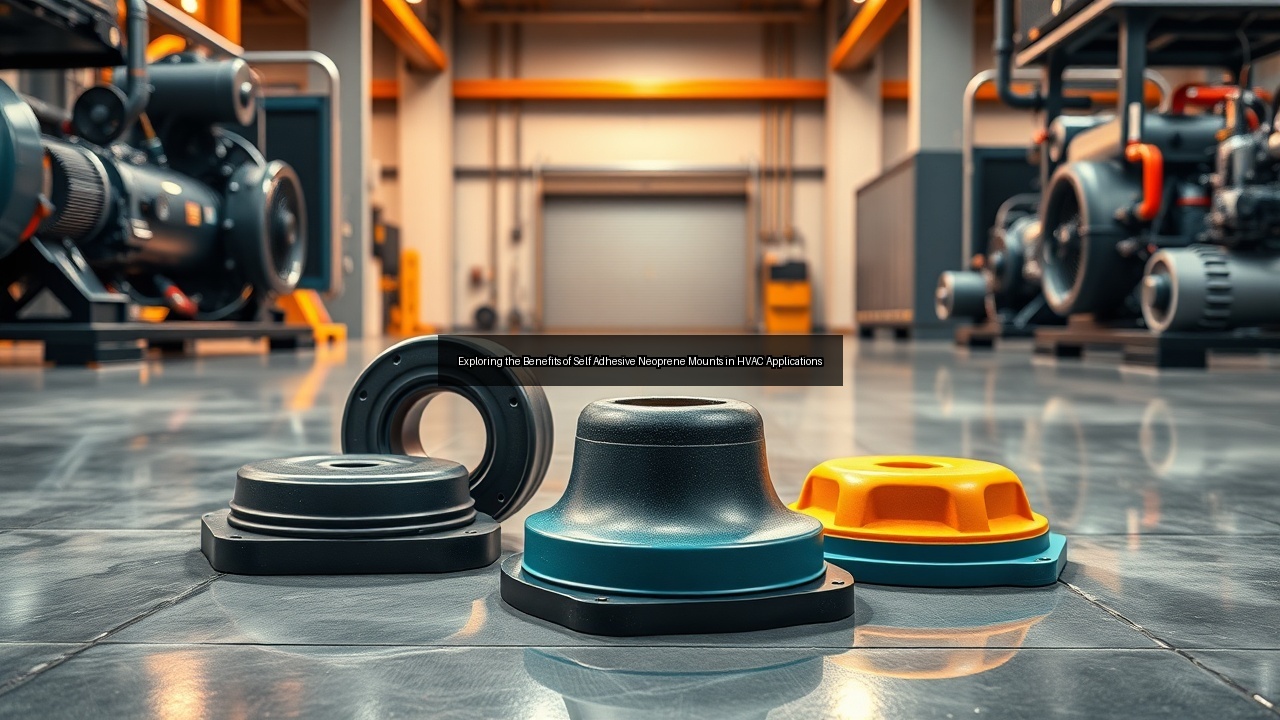
Neoprene mounts function as reliable supports that secure HVAC equipment while managing movement and stress. Self adhesive neoprene mounts feature a built-in backing that bonds directly to surfaces without screws or brackets. HVAC neoprene mounts typically consist of durable rubber compounds molded into pads or blocks. These components sit under compressors or along ductwork to maintain alignment. Technicians often place them on the floor or within equipment frames for stable positioning. The material resists oil and weather exposure common in mechanical rooms. Self adhesive versions simplify retrofits on existing systems where drilling proves impractical. Users rely on hvac neoprene mounts to keep components level and protected during operation.
Key Features of Neoprene in HVAC Applications
Neoprene delivers consistent performance in temperature swings and chemical contact found in HVAC environments. Its closed-cell structure prevents moisture absorption that could degrade other materials. Self adhesive neoprene mounts combine this resilience with quick attachment for fast service calls. HVAC neoprene mounts handle repeated compression cycles without permanent deformation. The rubber maintains flexibility down to low temperatures while resisting ozone cracking. Installers appreciate how neoprene pads distribute weight evenly across mounting points. These features make hvac neoprene mounts suitable for both indoor air handlers and rooftop units. Maintenance teams value the material's ability to stay intact under constant vibration from fans and pumps.
Comparison of Neoprene and Other Mounting Materials
Neoprene outperforms natural rubber in oil resistance and longevity within HVAC settings. Foam alternatives compress too easily under heavy loads and lose shape faster. Metal mounts transmit noise and require more hardware for installation. Self adhesive neoprene mounts reduce labor compared to traditional sandwich designs that need plates and bolts. HVAC neoprene mounts absorb a broader range of frequencies than cork or felt pads. Technicians choose neoprene vibration isolation mounts when equipment runs at varying rpm levels. Unlike plastic options, neoprene holds up against UV exposure on exterior installations. Overall, hvac neoprene mounts balance cost, durability, and performance better than most competing choices.
Benefits of Self-Adhesive Neoprene Mounts
Ease of Installation and Maintenance
Self adhesive neoprene mounts attach in seconds by peeling the liner and pressing into place. HVAC technicians complete jobs faster without measuring for bolt holes or aligning brackets. Neoprene mounts stay secure on metal, concrete, or composite surfaces common in air handling units. Routine inspections require only visual checks since the adhesive holds through normal thermal expansion. Replacement involves simple peeling without damage to equipment bases. HVAC neoprene mounts eliminate the need for specialized tools during both initial setup and later service. Crews report fewer callbacks when using self adhesive versions on belt drives and fan assemblies. This simplicity supports quicker turnaround on preventive maintenance schedules.
Vibration Isolation and Noise Reduction
Self adhesive neoprene mounts act as effective vibration isolators that dampen energy from rotating equipment. HVAC neoprene mounts reduce structure-borne noise that travels through floors and walls into occupied spaces. The elastomeric properties of neoprene absorb oscillations from compressors and motors before they amplify. Installers position these mounts under belt drives to limit resonance at common operating rpm ranges. Noise complaints drop noticeably after retrofitting with neoprene vibration pads in mechanical rooms. Neoprene also isolates high-frequency sounds from gears and clutches in packaged units. HVAC neoprene mounts maintain isolation performance across seasonal load changes without hardening. Building occupants enjoy quieter environments when these mounts replace rigid connections.
Durability and Resistance to Environmental Factors
Self adhesive neoprene mounts withstand repeated exposure to refrigerants, cleaning chemicals, and temperature extremes. HVAC neoprene mounts resist cracking from ozone and ultraviolet light on rooftop applications. The material maintains shear strength even after years of continuous loading from heavy compressors. Neoprene pads avoid swelling in humid conditions that affect other elastomers. Technicians document longer service intervals when using hvac neoprene mounts compared to foam or cork alternatives. These mounts handle the demands of trucks and trailers where constant movement adds extra stress. Resistance to abrasion protects edges during installation or equipment shifts. Overall, neoprene delivers reliable performance that protects HVAC investments over extended periods.
Applications in HVAC Systems
Use Cases in Compressors and Belt Drives
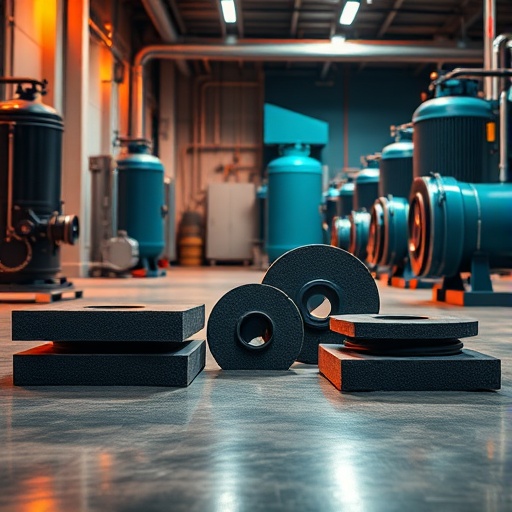
Compressors generate significant vibration that self adhesive neoprene mounts control effectively at the base. HVAC neoprene mounts placed under scroll and reciprocating models reduce transmitted force to building structures. Belt drives benefit from neoprene vibration isolation mounts that maintain alignment between pulleys at varying rpm. Technicians install these mounts to prevent premature bearing wear caused by misalignment. Neoprene's elastomeric response handles start-up torque spikes without slippage. HVAC neoprene mounts also support motors connected to belt-driven fans in air handlers. Proper placement minimizes harmonic vibrations that could loosen nearby fittings over time. Field data shows extended equipment life when neoprene mounts replace direct metal-to-metal contact.
Neoprene Mounts in Trucks and Trailers
Trucks and trailers equipped with mobile HVAC systems rely on self adhesive neoprene mounts for secure component attachment. Cab interiors use neoprene pads to isolate climate control units from road-induced shocks. HVAC neoprene mounts absorb vibration from auxiliary power units mounted on trailer frames. The adhesive backing holds mounts in place despite frequent acceleration and braking cycles. Neoprene resists diesel fuel and road salts common in fleet operations. Technicians position mounts under clutches and gears in refrigeration systems to maintain smooth engagement. Trucks and trailers experience fewer leaks and electrical issues when equipment stays properly isolated. Neoprene's temperature stability ensures performance during both summer heat and winter cold routes.
Implementation in Tubings and Clutches
Tubings in HVAC piping runs experience movement from thermal expansion that neoprene mounts accommodate. Self adhesive neoprene mounts support clamps and hangers while reducing stress concentrations. Clutches in belt-driven systems benefit from neoprene vibration isolators that cushion engagement forces. HVAC neoprene mounts placed near clutch assemblies limit torque transmission to connected shafts. Neoprene maintains consistent grip without binding during repeated on-off cycles. Installers use these mounts on tubing supports to prevent metal fatigue at connection points. Clutches operate more quietly when isolated by neoprene pads that absorb impact energy. HVAC neoprene mounts prove versatile across both rigid and flexible tubing configurations in commercial systems.
Performance Characteristics
Shear Strength and RPM Considerations
Shear strength determines how well self adhesive neoprene mounts resist lateral forces during equipment operation. HVAC neoprene mounts maintain integrity under side loads from belt tension and fan imbalance. Higher rpm levels increase dynamic forces that neoprene handles through its inherent damping. Engineers select mount thickness based on expected shear values for specific compressor models. Neoprene vibration isolation mounts perform consistently across typical HVAC rpm ranges without resonance issues. Testing confirms stable performance when mounts experience combined vertical and horizontal stresses. Proper sizing prevents creep that could affect alignment over thousands of operating hours. HVAC neoprene mounts deliver predictable shear response that supports reliable system design.
The Role of Elastomeric Properties
Elastomeric properties allow neoprene to deform under load and return to shape repeatedly. Self adhesive neoprene mounts use this elasticity to isolate vibrations without transmitting them to supporting structures. HVAC neoprene mounts flex in multiple directions to accommodate thermal movement and minor settling. The material's hysteresis converts kinetic energy into heat that dissipates harmlessly. Neoprene maintains consistent stiffness across temperature variations common in mechanical spaces. Elastomeric behavior supports effective isolation at both low and high frequencies encountered in HVAC equipment. Technicians value how neoprene pads recover quickly after compression events from startup surges. These properties make hvac neoprene mounts dependable choices for demanding applications.
Effectiveness as Vibration Isolators
Self adhesive neoprene mounts function as proven vibration isolators that lower transmitted energy across equipment interfaces. HVAC neoprene mounts reduce floor-borne vibration that affects sensitive areas in hospitals and offices. Neoprene's natural damping coefficient outperforms many synthetic alternatives in broadband isolation. Proper placement under compressors and motors maximizes effectiveness without additional mass. Neoprene vibration pads maintain performance even when exposed to oils and refrigerants over time. Field measurements confirm significant decibel reductions after installing hvac neoprene mounts. The material adapts to different load distributions while preserving isolation characteristics. HVAC neoprene mounts deliver measurable improvements in overall system quietness and stability.
Sustainability and Future Trends
Recycling and Sustainability of Neoprene Materials
Recycling programs now process used neoprene mounts into new raw material for HVAC components. Self adhesive neoprene mounts contribute to sustainability goals by extending equipment life and reducing replacements. HVAC neoprene mounts avoid frequent disposal because of their long service life under harsh conditions. Manufacturers incorporate recycled content into neoprene formulations without sacrificing performance. Neoprene recycling reduces landfill waste from mechanical room renovations. Sustainability metrics improve when facilities choose durable hvac neoprene mounts over less resilient options. Closed-loop programs collect worn mounts from trucks and trailers for reprocessing. Industry efforts focus on increasing recycled neoprene availability for future HVAC projects.
Innovations in Neoprene Mount Design
Recent innovations include layered neoprene designs that combine different durometers for optimized isolation. Self adhesive neoprene mounts now feature enhanced adhesives that bond to more surface types. HVAC neoprene mounts incorporate foam cores in some sandwich configurations for improved lightweight performance. New molding techniques produce mounts with precise geometries for specific compressor and clutch applications. Neoprene vibration isolation mounts benefit from additives that increase resistance to extreme temperatures. Designers develop thinner profiles that maintain shear strength for space-constrained installations. HVAC neoprene mounts with integrated sensors represent emerging concepts for condition monitoring. These advances continue to expand the capabilities of neoprene in modern HVAC systems.
Market Trends for HVAC Neoprene Mounts
Market demand grows for hvac neoprene mounts as energy efficiency standards emphasize quieter and more stable equipment. Self adhesive versions gain popularity in retrofit projects where speed matters. HVAC neoprene mounts see increased use in electric vehicle climate systems and trailer refrigeration. Neoprene vibration isolators align with green building certifications that value reduced noise and vibration. Supply chains adapt to provide consistent quality for large-scale commercial installations. Market trends favor neoprene mounts that support longer maintenance intervals and lower lifecycle costs. Adoption rises in trucks and trailers as operators seek reliable isolation solutions. HVAC neoprene mounts remain central to evolving system designs focused on performance and sustainability.
See Also
- Why Neoprene Mounts are Essential for Sustainable HVAC Solutions
- The Science Behind Neoprene Elastomeric Mounts and Their Shear Resistance
- How Neoprene Isolation Mounts Enhance the Performance of Compressors
- The Secret to Vibration Control in HVAC Systems Using Neoprene Isolators
- From Trucks to Trailers Neoprene Mounts are Revolutionizing HVAC Installations