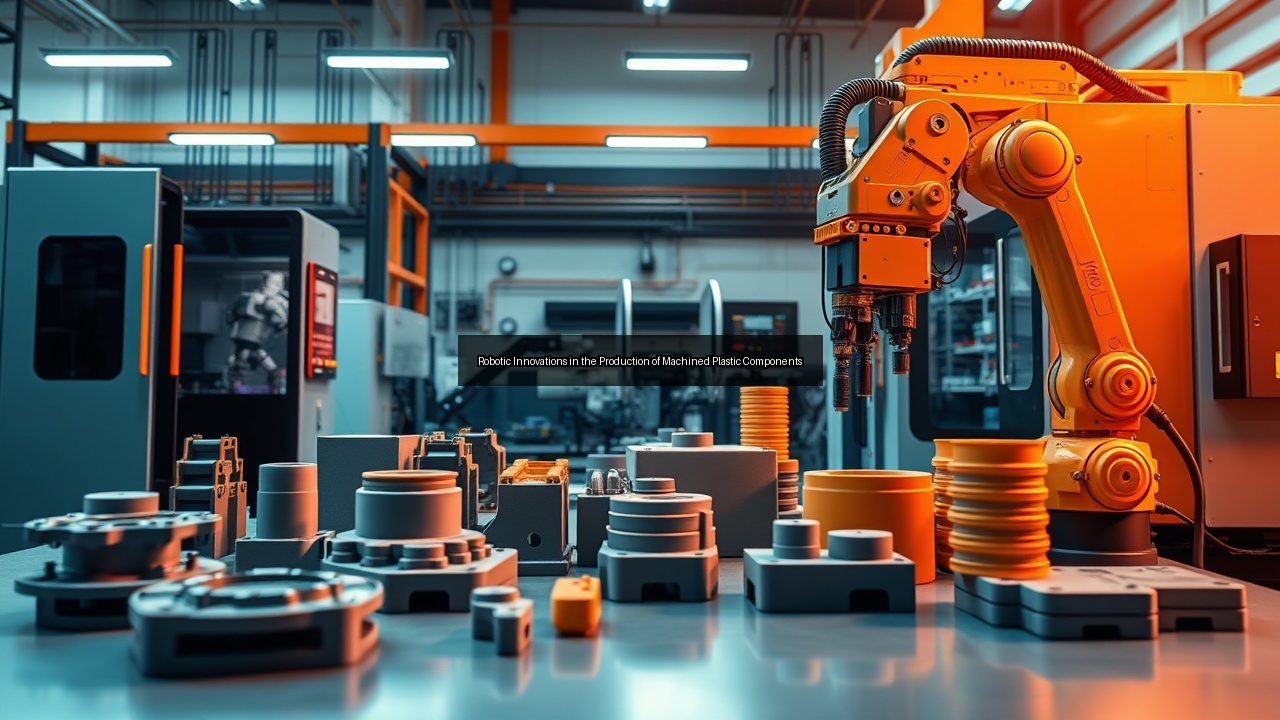
Robotic Innovations in the Production of Machined Plastic Components
The Role of CNC Machinery in Machined Plastic Production
Overview of CNC Machining Technology
CNC machinery drives the creation of machined plastic components by translating digital designs into precise physical parts. Operators program tool paths that guide cutting tools across plastic stock, removing material layer by layer until the final geometry emerges. This process supports complex shapes that traditional manual methods cannot achieve consistently. Modern CNC systems integrate multi-axis movement, allowing machinists to produce intricate contours in a single setup. The technology handles materials ranging from standard thermoplastics to high-performance engineering plastics without introducing excessive heat that could warp the workpiece.
Plastic CNC machined components benefit from repeatable accuracy across production runs. Engineers load CAD files directly into the controller, eliminating intermediate steps that introduce error. Shops equipped with this technology deliver plastic machined components for industries that demand tight control over every dimension.
Advantages of CNC Machined Plastic Components
CNC machined plastic parts offer strength-to-weight ratios superior to many metal alternatives while resisting corrosion. Manufacturers produce these components without the need for molds, which reduces upfront costs for low-to-medium volumes. The process yields clean edges and smooth surfaces straight from the machine, cutting secondary operations. Machinists can adjust programs on the fly to accommodate design revisions, making the method ideal for prototypes that evolve into full production.
Companies that rely on machined plastic components gain flexibility in material selection. Engineers choose plastics that meet specific chemical or thermal requirements without compromising machinability. This adaptability extends to geometries that composites struggle to form without delamination risks.
How CNC Machinery Improves Precision and Tolerances
CNC machinery holds tolerances as tight as ±0.001 inches on machined plastic components by controlling spindle speeds and feed rates with digital precision. Feedback sensors monitor tool position in real time and compensate for any deflection caused by plastic's lower rigidity compared with metals. This closed-loop control ensures every part matches the original specifications across an entire batch.
Machinists verify dimensions with coordinate measuring machines immediately after machining. The data feeds back into the program to refine future runs. Plastic machined components produced this way maintain consistency that manual methods rarely achieve, supporting assemblies where even small deviations cause fit problems.
Engineering Plastics: The Material of Choice
Common Types of Engineering Plastics for Machining
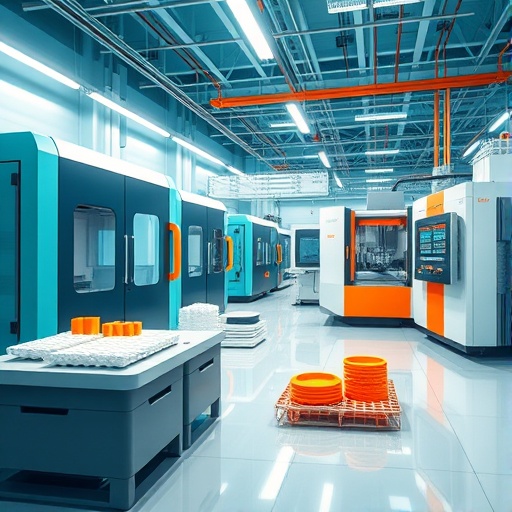
Acetal, nylon, polycarbonate, and PEEK rank among the most common engineering plastics selected for machined plastic components. Acetal provides excellent dimensional stability and low friction, suiting gears and bushings. Nylon absorbs impact well and resists wear in moving parts. Polycarbonate offers optical clarity alongside impact resistance for lenses and guards. PEEK withstands continuous temperatures above 450°F while retaining mechanical properties.
Shops stock these materials in rod, sheet, and tube forms to minimize waste during machining. Each grade machines cleanly when feeds and speeds match its characteristics, delivering plastic CNC machined components that perform reliably in demanding environments.
Properties and Benefits of Machined Plastics
Machined plastics combine low density with resistance to chemicals, moisture, and electrical conductivity. These traits reduce weight in assemblies and eliminate the need for secondary coatings. Parts maintain performance across wide temperature ranges without the brittleness that affects some composites at low temperatures.
Engineers appreciate the ability to incorporate features such as threads, undercuts, and thin walls directly during machining. This integration cuts assembly time and improves reliability by removing joints that could leak or loosen. Machined plastic parts therefore serve critical roles in medical devices, aerospace interiors, and semiconductor handling equipment.
Comparison of Engineering Plastics and Composites
Engineering plastics machine faster than many fiber-reinforced composites because they lack abrasive fillers that dull cutters. They also produce less hazardous dust during machining, simplifying shop cleanup and worker protection. Composites deliver higher stiffness in certain orientations but require more complex layup or molding processes that increase lead times for small batches.
When designers need isotropic strength and easy modification, machined plastic components win. Composites excel in applications demanding maximum strength-to-weight ratios where weight savings justify higher fabrication costs. Many projects combine both materials, using plastic machined components for housings and composite elements for structural members.
Robotic Innovations in Plastic Fabrication
Integration of Robotics in CNC Machining
Robots now load and unload CNC machines that produce machined plastic components, freeing operators from repetitive tasks. Six-axis arms equipped with custom grippers handle delicate plastic parts without marring surfaces. Vision systems verify part orientation before placement, preventing crashes that scrap material. The same robots transfer finished pieces to inspection stations or secondary operations, creating a continuous workflow.
Integration requires careful programming to match robot motion with machine cycle times. Shops that synchronize these systems report higher spindle utilization and fewer human errors. Plastic fabrication cells built around this approach run lights-out shifts while maintaining quality standards.
Benefits of Automation in Batch Production
Automation in batch production of machined plastic components reduces labor costs while increasing throughput. Robots maintain consistent cycle times regardless of shift length, eliminating variation caused by operator fatigue. They also handle heavy stock that would otherwise require multiple workers or cranes. Safety improves because personnel stay outside the work envelope during operation.
Data collected from robotic cells feeds process optimization software. Managers identify bottlenecks and adjust programs without halting production. Companies that adopt these methods scale output quickly when demand rises, a clear advantage over manual plastic fabrication lines.
Case Studies: Successful Implementations of Robotics
One medical device manufacturer installed robotic tending on three CNC lathes producing machined plastic components for surgical instruments. Output rose 40 percent while scrap rates fell below 0.5 percent. The robot handled over 2,000 parts per day across two shifts with zero missed inspections.
An aerospace supplier integrated collaborative robots alongside traditional CNC machinery for trimming and drilling plastic machined components. The collaborative units worked safely beside operators during setup changes, shortening changeover time by 60 percent. Both examples demonstrate how robotics transforms plastic fabrication from labor-intensive work into a reliable, data-driven process.
Surface Finishing Techniques for Machined Plastics
Importance of Surface Treatment
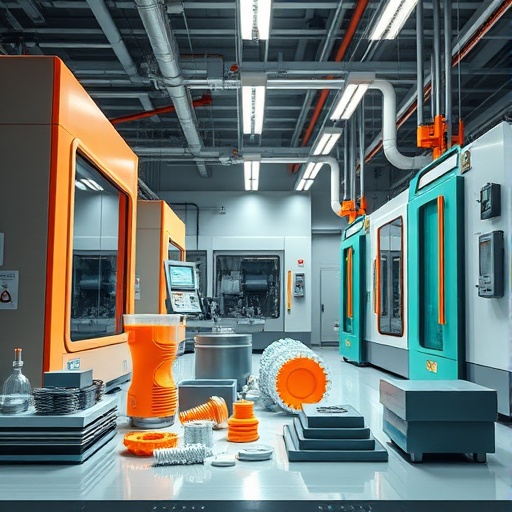
Surface treatment removes tool marks and improves cleanliness on machined plastic components. Residual machining stresses can cause crazing over time; proper finishing relieves these stresses and extends service life. In medical and food industries, smooth surfaces reduce bacterial adhesion and simplify sterilization. Aesthetic quality also matters when parts remain visible in consumer products.
Manufacturers specify surface finish requirements in drawings alongside dimensional tolerances. Meeting both ensures the part functions correctly and presents a professional appearance without additional coating steps.
Popular Surface Finishing Methods for Machined Parts
Common methods include vapor polishing for polycarbonate and acrylic, which creates optical clarity by melting microscopic peaks. Tumbling with plastic media deburrs and smooths edges on larger batches of machined plastic parts. Flame polishing works quickly on select thermoplastics, while precision sanding and buffing handle engineering plastics that require specific Ra values.
Some shops apply plasma or corona treatment to raise surface energy before bonding or printing. Each method matches the plastic's thermal properties to avoid distortion. Selecting the right sequence prevents rework and preserves the tight tolerances achieved during CNC machining.
Impact on Aesthetics and Functionality
Well-finished machined plastic components reduce friction in sliding applications and improve seal performance against mating surfaces. Visually, uniform finishes eliminate the perception of lower quality that visible tool marks create. Functional coatings applied after finishing add wear resistance or UV protection without changing part dimensions.
Customers notice the difference when comparing plastic CNC machined components from different suppliers. Consistent surface quality signals process control and attention to detail, factors that influence long-term supplier selection.
Choosing the Right Manufacturer for Machined Plastic Components
Key Specifications to Consider
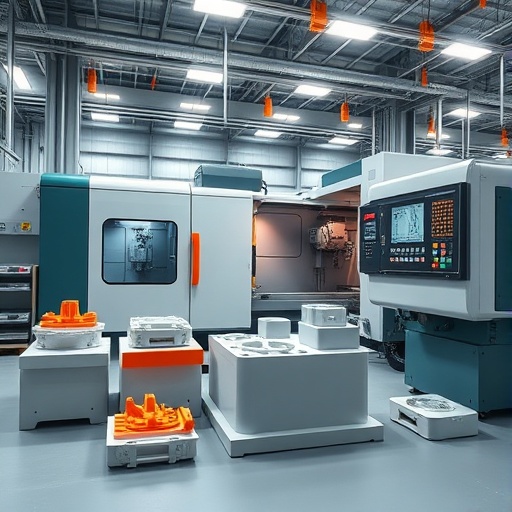
Buyers evaluate material certifications, achievable tolerances, and maximum part size when selecting a manufacturer. Documentation proving traceability for engineering plastics builds confidence in regulated industries. Capability to hold ±0.002-inch tolerances on critical dimensions separates capable shops from general machine shops. Inspection equipment such as CMMs and optical comparators confirms compliance before shipment.
Lead time quotes should include programming, material procurement, and finishing steps. Clear communication of these specifications prevents costly misunderstandings during production of plastic machined components.
Evaluating Manufacturer Capabilities
Site visits reveal whether a company maintains clean, temperature-controlled environments that protect plastic stock from moisture absorption. Review recent projects involving similar geometries and materials to assess experience. Ask about robot integration and automation levels, which directly affect consistency in batch production. A manufacturer that invests in ongoing training for machinists demonstrates commitment to quality.
References from current clients provide real-world insight into communication and on-time delivery performance. Companies that share process data and inspection reports earn preference for repeat orders of machined plastic parts.
Future Trends in Machined Plastic Parts Production
Hybrid machines that combine additive and subtractive processes will shorten development cycles for machined plastic components. In-process monitoring using sensors will flag tool wear before it affects tolerances. Expanded use of collaborative robots will allow smaller shops to compete on cost while maintaining high quality standards.
Material suppliers continue to release machinable grades with improved thermal and mechanical properties. Manufacturers that adopt these innovations early will deliver plastic CNC machined components with greater complexity and tighter specifications than current standards allow.
See Also
- Batch Production Strategies for Efficient Machined Plastic Manufacturing
- Choosing the Right Manufacturer for Your Machined Plastic Needs
- The Future of CNC Machining in Plastic Component Production
- How CNC Technology Transforms Plastic Fabrication for Various Industries
- Mastering Surface Finishing Techniques for Machined Plastics