The Role of Gear Oil in Preventing Wear and Tear in Differentials
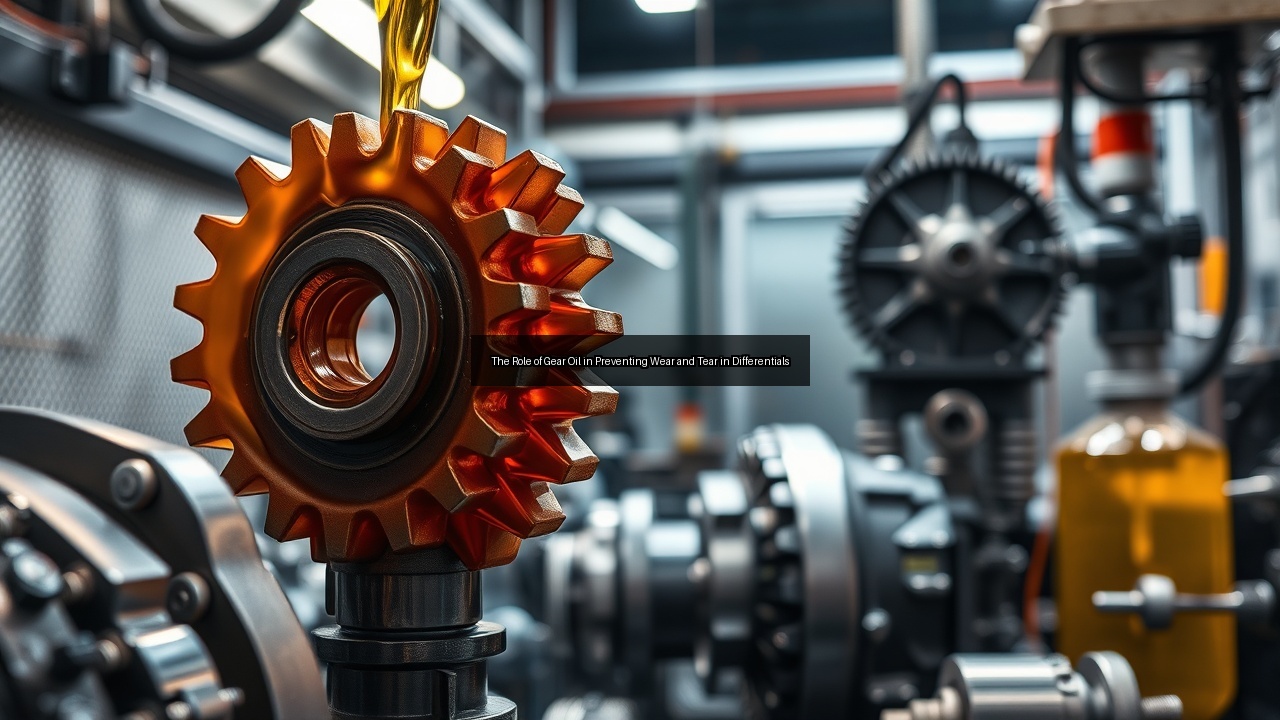
Understanding the Importance of Gear Oil in Differentials
The Function of Gear Oil in Differential Systems
Gear oil serves as the primary lubricant inside differentials, where it coats meshing gears and bearings to reduce direct metal contact. This protection becomes essential during turns when the differential allows wheels to rotate at different speeds. Without proper lubrication, friction quickly generates heat and accelerates surface damage on gear teeth. Manufacturers formulate gear oil with additives that cling to metal surfaces under high loads, creating a durable film that withstands the constant pressure inside the housing. In both rear-wheel-drive cars and transaxle setups found in front-wheel-drive vehicles, this fluid circulates through the gears to carry away debris and maintain smooth operation. Regular use of quality gear oil prevents scoring and pitting that would otherwise shorten component life. In open differentials, the oil must also accommodate the spider gears that permit speed variation between left and right wheels, while limited-slip units require additional friction modifiers to prevent chatter during torque application.
Why Gear Lubrication Matters for Automotive Performance
Effective gear lubrication directly influences how smoothly a vehicle accelerates, corners, and handles heavy loads. Differentials experience extreme torque transfer, and inadequate lubricant allows wear to develop on ring and pinion sets. Automotive engineers design these systems around specific viscosity ranges so the fluid maintains film strength at operating temperatures. When lubrication fails, drivers notice whining noises, vibration, and eventual loss of power delivery. Gear lube also protects manual transmissions and transfer cases that share similar stresses. Consistent lubrication reduces energy loss from friction, improving overall efficiency and extending service intervals between major repairs in demanding conditions. In fleet vehicles or those used for towing, optimized lubrication can reduce operating temperatures by 20–30°F, preserving seals and extending the life of expensive components such as axle shafts and carrier bearings.
Key Components of Gear Oil and Their Roles
Modern gear oil blends base stocks with extreme-pressure additives, anti-wear agents, and corrosion inhibitors. Base oils provide the viscosity needed to separate gear surfaces, while sulfur-phosphorus compounds react under pressure to form protective layers on metal. Oxidation inhibitors slow breakdown from heat and oxygen exposure. These elements work together to handle the sliding and rolling motions inside differentials. Synthetic oil versions offer superior stability across wide temperature ranges compared with conventional blends. Proper additive balance ensures the lubricant resists foaming and maintains seal compatibility throughout extended drain intervals recommended by vehicle makers. Additional components such as pour-point depressants and seal conditioners further enhance cold-weather performance and prevent leaks in aging differentials.
Types of Gear Oil: Choosing the Right Lubricant
Synthetic vs. Conventional Gear Oils
Synthetic gear lubricants deliver better flow at low temperatures and maintain protective viscosity when differentials reach high operating heat. Conventional oils rely on mineral bases that thicken more in cold weather and thin faster under load. Many drivers switch to synthetic oil for vehicles used in towing or off-road conditions because it resists shear and oxidation longer. Manufacturing processes for synthetics allow tighter molecular uniformity, resulting in reduced internal friction and longer service life. Both types must meet the same performance benchmarks, yet synthetic formulations often extend change intervals and protect better during thermal spikes common in performance applications. Laboratory tests show that premium synthetics can maintain film strength at temperatures exceeding 300°F, making them ideal for track use or heavy commercial service where conventional oils would oxidize rapidly.
SAE Ratings and Their Impact on Performance
SAE viscosity grades such as 75W-90 or 80W-140 indicate how gear oil behaves across temperature extremes. The winter rating shows cold-flow capability, while the second number reflects thickness at 100°C. Selecting the correct SAE rating ensures adequate film strength without excessive drag on gears during startup. Too thick a lubricant increases resistance and fuel consumption, while an overly thin grade fails to protect under pressure. Vehicle specifications list the required grade to match differential design and expected climate conditions. Following these ratings prevents both wear and efficiency losses. For example, a 75W-140 grade may be specified for high-torque applications in hot climates, whereas 75W-85 offers improved efficiency in passenger cars operating in moderate temperatures.
Understanding API Standards for Gear Lubricants
API GL-4 and GL-5 classifications define performance levels for gear lubricants in automotive applications. GL-5 fluids contain higher concentrations of extreme-pressure additives suited for hypoid differentials that experience heavy sliding contact. GL-4 suits many manual transmissions and older designs with yellow metals that react poorly to aggressive additives. Checking the API rating on the container guarantees the gear lube matches the vehicle’s requirements and prevents damage from mismatched chemistry. Always verify the specification in the owner’s manual before purchase. Some modern vehicles also require API GL-5 with limited-slip additives or specific OEM approvals such as Ford WSS-M2C942-A or GM 9986115 to ensure compatibility with electronic locking differentials.
The Impact of Gear Oil on Wear and Tear
How Gear Oil Prevents Wear in Differentials
Gear oil forms a hydrodynamic film that separates gear teeth under normal loads and switches to boundary lubrication when pressure spikes during acceleration or cornering. Additives create sacrificial coatings that absorb impact and reduce abrasive wear. This dual action keeps metal removal rates low even after thousands of miles. Regular replacement removes suspended particles that would otherwise act as grinding compounds. Proper lubrication also limits pitting and spalling on gear surfaces, preserving tooth profiles for quiet, efficient power transfer throughout the differential’s service life. In high-mileage vehicles, consistent use of quality gear oil can prevent the micro-welding that leads to tooth breakage under repeated shock loads.
The Role of Pressure and Temperature in Gear Lubrication
High contact pressure between gear teeth squeezes lubricant films thin, demanding additives that activate under load to prevent welding. Elevated temperatures accelerate chemical reactions that thin the oil and degrade protective compounds. Differentials in trucks or performance cars often exceed 250°F, pushing conventional fluids past their limits. Monitoring these conditions helps determine whether synthetic gear lubricants provide the necessary margin. Balanced formulations maintain film strength despite simultaneous pressure and heat, avoiding accelerated wear that leads to premature failure. Infrared thermography studies of differentials reveal that proper lubrication can reduce peak contact temperatures by up to 40°F compared with degraded fluid.
Thermal Degradation: Why Quality Matters
Thermal degradation breaks down base oils and additives, forming varnish and acids that corrode bearings and seals. Quality gear oil resists this process through robust antioxidant packages and stable base stocks. Lower-grade products oxidize faster, thickening into sludge that blocks oil passages and starves gears of lubrication. Drivers who extend drain intervals beyond recommendations risk exposing differentials to degraded fluid that no longer protects against wear. Choosing thermally stable gear lubricants preserves performance and avoids costly rebuilds caused by overheating and chemical breakdown. Regular fluid analysis can detect rising acid numbers and viscosity changes long before visible symptoms appear.
Best Practices for Gear Oil Maintenance
Regular Inspection and Change Intervals
Inspect gear oil level and condition at each service using the differential fill plug. Dark, metallic fluid signals active wear and requires immediate attention. Follow manufacturer intervals, typically 30,000 to 60,000 miles for severe use, though synthetic gear lubes may allow longer periods. Record mileage and driving conditions to adjust schedules accurately. Consistent changes remove contaminants before they accumulate and damage precision surfaces inside the housing. In severe-service fleets, many operators adopt 15,000-mile intervals combined with quarterly visual inspections to catch issues early.
Signs of Gear Oil Degradation
Burnt odor, milky appearance from water intrusion, or excessive metal particles on the drain plug indicate gear oil has lost effectiveness. Whining or clunking from the differential often follows degraded lubrication. Early detection prevents minor issues from escalating into gear or bearing replacement. Visual checks combined with fluid analysis provide reliable indicators of remaining service life and help schedule proactive maintenance. Laboratory reports that measure particle count, water content, and total acid number offer quantitative data for deciding when to perform a change.
How to Select the Right Gear Lube for Your Vehicle
Match the gear lube to the differential type, load requirements, and climate using the owner’s manual specifications. Confirm SAE viscosity, API rating, and any OEM approvals listed. For vehicles with limited-slip differentials, verify the fluid contains the correct friction modifiers. Purchasing from reputable sources ensures the product meets stated standards rather than counterfeit formulations that fail under pressure. Proper selection safeguards the investment in the vehicle’s drivetrain components. When in doubt, consult a certified technician or the vehicle manufacturer’s technical service bulletins for the latest fluid recommendations.